The Institute of Early Childhood Education & Development (IECED) is pleased to convene the 4th ECCE International Summit 2026, a landmark gathering that unites educators, researchers, policymakers, humanitarian organizations, and diplomatic missions in service of a shared conviction: that investing in the earliest years of a child’s life is foundational to building peaceful, resilient, and sustainable societies. Set against the backdrop of a rapidly evolving world, one shaped by emerging technologies, shifting climate realities, and heightened attention to child rights and protection, this year’s Summit takes as its theme “Reimagining Early Childhood Care and Education,” an invitation to critically reassess how the global community prepares young children to thrive amid twenty-first-century challenges and opportunities.
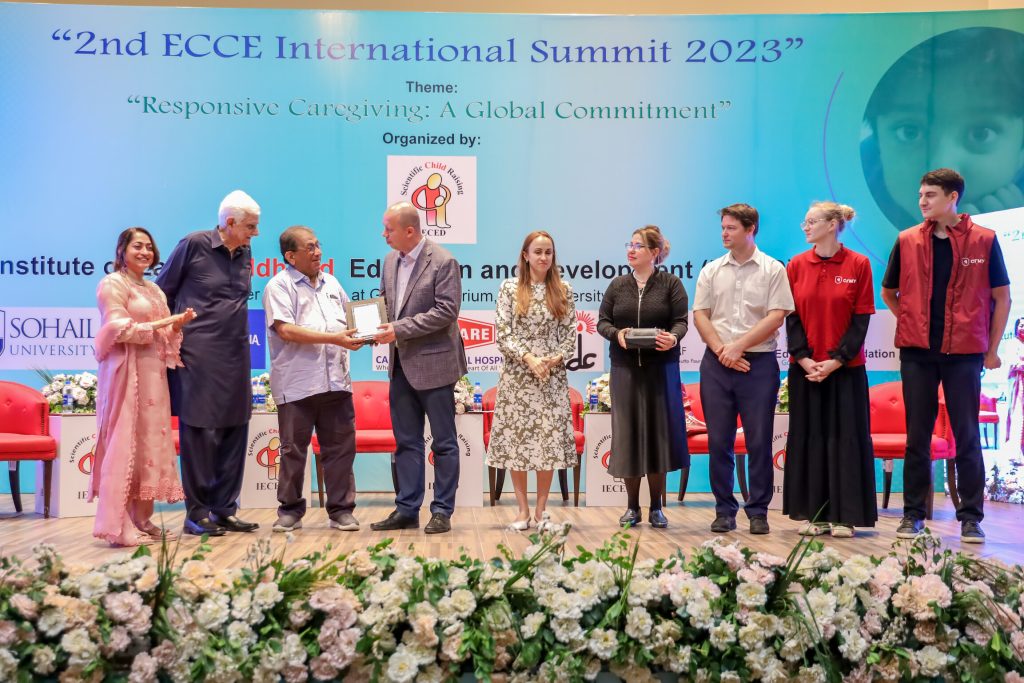
Grounded in the United Nations Sustainable Development Goals, the Summit serves as a platform for cross-cultural dialogue and international collaboration, bringing together diverse voices and perspectives to confront common challenges in early childhood development. Through keynote lectures delivered by distinguished international and national experts, the presentation of original research papers and posters, an Education Expo 2026 showcasing innovation in the field, panel discussions, and the sharing of successful and replicable models, the Summit offers a comprehensive forum for the exchange of ideas and the cultivation of enduring professional networks across borders. Following our legacy, this summit aims not only to address current challenges but also to inspire innovative, inclusive, and sustainable solutions that can transform the future of early childhood education and contribute to a more peaceful, equitable, and resilient world.
The upcoming 4th ECCE International Summit will explore a range of critical themes in the field of ECCE, shedding light on key areas that directly impact the development and well-being of young children and the collective responsibility of all stakeholders. The theme “Reimagining Early Childhood Care and Education” is further divided in following sub- themes:
⦁ Child Protection and Safeguarding: Rights, Responsibilities and Resilience
⦁ Artificial Intelligence and Digital Learning: Transforming Teaching and Learning
⦁ Play-Based Learning: Fostering Innovation, Quality and Meaningful Engagement
⦁ Teacher Competencies: Building Capacity for Reflective Practice and Professional Excellence
⦁ Conscious Parenting: Nurturing Relationships and Foundational Learning
⦁ Health, Nutrition and Well-being: Raising Healthy and Thriving Children
⦁ Climate-Responsive ECCE: Advancing Sustainability and Environmental Stewardship
⦁ Policy, Research and Innovation in ECCE: Shaping Evidence-Informed Practice
© 2026 IECED. All rights reserved.